Dental Excellence with Fantastic Results
Part of our patient commitment is to provide a high level of exceptional service with advanced technology each day.
Learn More
A Compassionate and Competent Staff
Your smile is our top priority, our entire team is dedicated to achieving personalized results in the most gentle manner.
Learn More
Meeting Your Preventative and Cosmetic Needs
The team and doctor possess years of experience meeting your cosmetic and preventive dentistry needs.
Learn More








Experience High Quality Dentistry At Our La Jolla Dentist
At our La Jolla practice in San Diego, we put your comfort, health, and confidence first. From routine checkups to advanced treatments like implants, laser therapy, clear alinger, and sedation dentistry, we deliver personalized care with the same respect we give our own family. We work hard to make dentistry fit seamlessly into your lifestyle.
Here at our San Diego practice, we believe every patient deserves to be treated with the same respect we extend to our own family. Along with general and cosmetic dentistry that you can expect from any dental office, we also offer additional treatments that include Implant Placement & Restoration, Treating Periodontal Disease with the use of precise soft dental lasers, Pain-Free Restorations using Hard Tissue Lasers, Orthodontics & Clear Alingers, Sedation Dentistry and more.
Best of all, we work with you when it comes to treatment cost. Our dental team is happy to work with you when it comes to treatment cost. If you lack insurance, we would be more than glad to establish a payment plan and schedule for you. Don’t let fears of dental health cost be a determining factor in your health. Our San Diego dentist Dr. Sandhya Hegde firmly believe everyone deserve oral health care and is proud to serve the areas in, around, and adjacent to San Diego.

Meet the Doctors
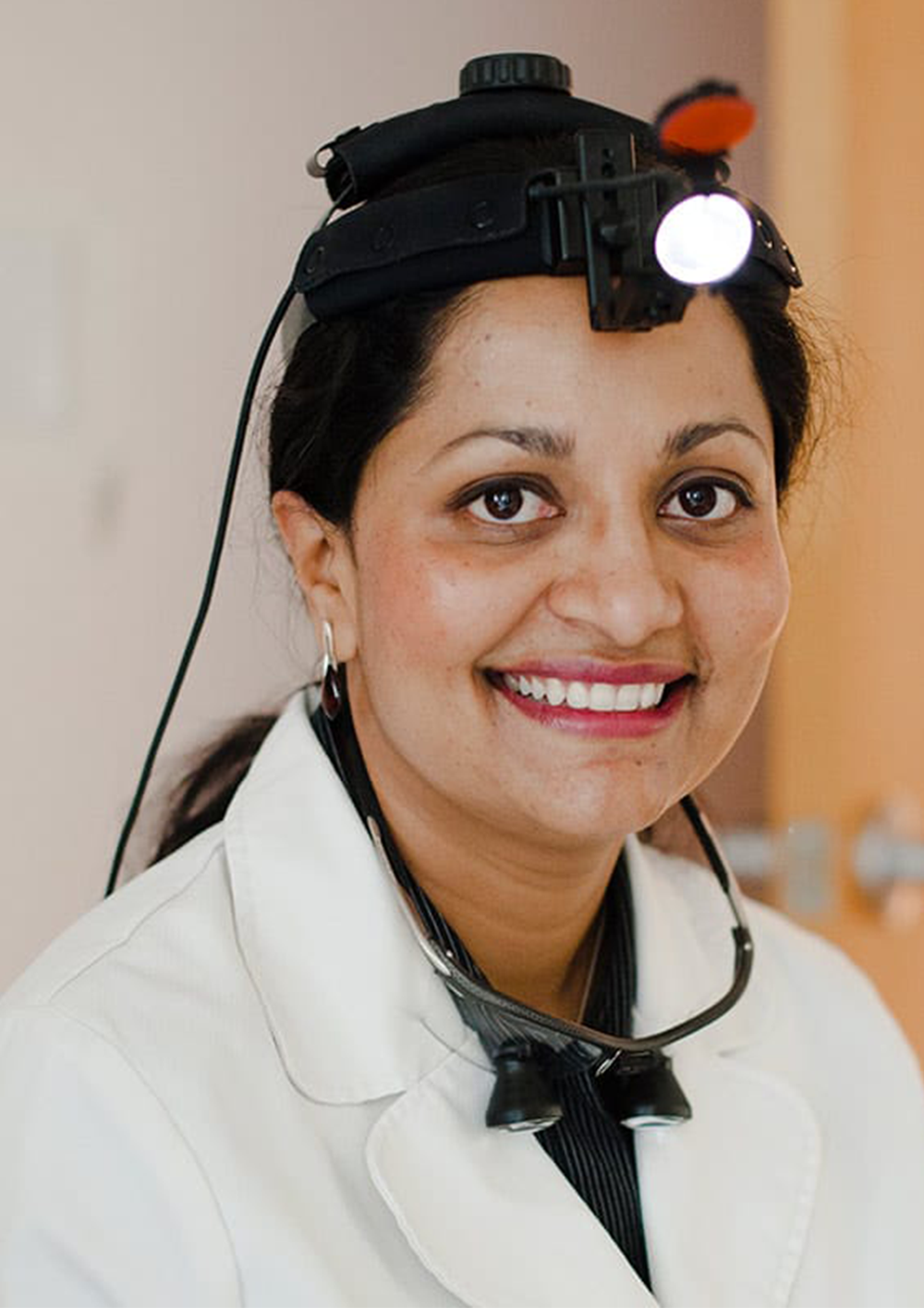
Dr. Sandhya Hegde
Dr. Sandhya Hegde became a dentist so she could make a difference in her patients’ health and well-being. She understands the important role that oral health plays in a person’s overall health, and she wants to help each patient enjoy the best health possible.
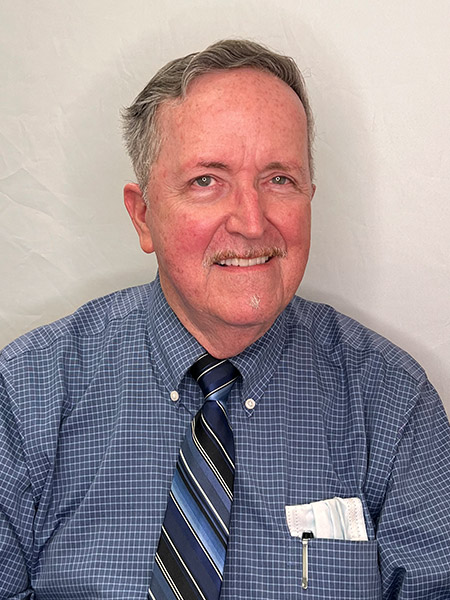
Dr. Gary Sigafoos
Dr. Gary Sigafoos received his DDS degree in 1971 and his MS in periodontics in 1977, both from Temple University. He joined our team in 2021, but has been practicing dentistry since 1979. Over the years, Dr. Sigafoos has appeared on multiple local and national television programs for his expertise in periodontics. He was one of the first periodontists in San Diego County to focus on soft tissue management programs.
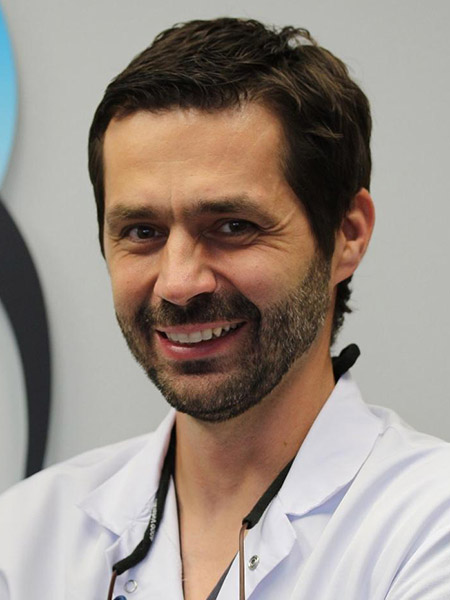
Dr. Haris Lakisic
Dr. Haris Lakisic has an eye for detail and felt that dentistry would be a good fit with his skills. He graduated magna cum laude from Pepperdine University with a bachelor’s degree. in biology. He then received his DDS from the University of Pennsylvania in 2003 and an MS in endodontics from the University of Pennsylvania in 2006.
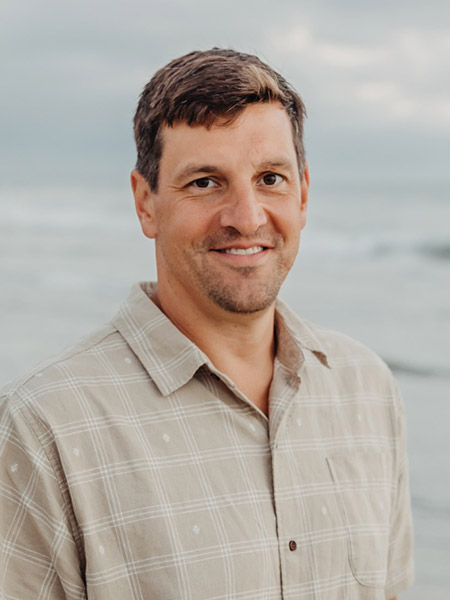
Dr. Thomas Brislin
Thomas V. Brislin Jr., the youngest of six siblings, grew up in Harveys Lake, Pennsylvania, where he developed a love for sports, excelling in soccer and volleyball and becoming a passionate water sports enthusiast.
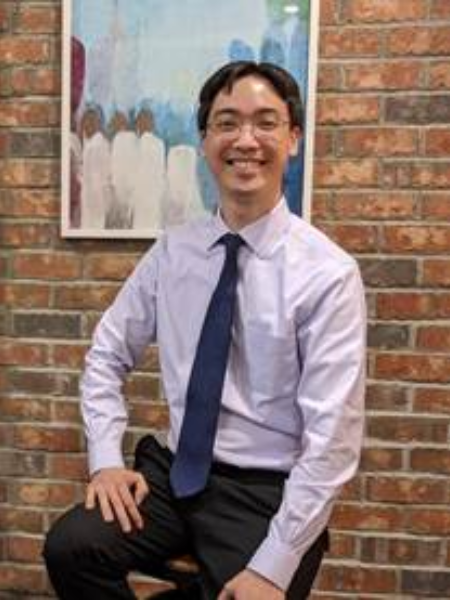
Dr. Abraham Tang
Bio coming soon…
Preventive, Cosmetic, and Restorative Dentistry in San Diego
Center for Dental Health La Jolla presents dentistry as a mix of prevention, education, patient communication, and personalized care. The team provides thorough exams, x-rays when needed, cleanings, fluoride treatments, dental sealants, cosmetic dentistry, teeth whitening, crowns, and veneers. The original section also notes that Dr. Sandhya Hegde attends dental lectures and conferences to stay current with dental developments. This section can introduce a carousel that explains common concerns patients may have before choosing care.
“The three oral conditions that most affect overall health and quality of life are cavities, severe gum disease, and severe tooth loss.”
This CDC statement supports a homepage section that connects prevention, smile goals, and restorative care. It also supports linking patients to deeper pages about dental hygiene and periodontal health, cosmetic dentistry, crowns, veneers, and dental implants from one education-focused hub.
Services We Provide
Testimonials

Frequently Asked Questions
Do you accept appointments?
Yes, we do accept appointments at our dentist’s office. In fact, we highly recommend that you book an appointment with us in advance to ensure that you receive the best possible care.
Do I need to arrive early for my first appointment?
Yes, please arrive at least 10-15 minutes early to fill out any patient forms.
What forms of payment do you accept?
We accept checks, cash, credit cards, and most PPO insurance plans. Contact our office so a member of our team can verify your insurance or visit our Payment Options page for more information!
How often should I visit the dentist?
It is important to schedule routine checkups and cleanings to keep your teeth and gums healthy. It is recommended by the ADA to visit the dentist at least once every six months. Contact us now to book your appointment and take the first step toward optimal oral health!
What services do you offer?
We are happy to offer a variety of services including